How to Get Rid of a Smelly Kitchen Trash Can
To get rid of trash can smell, empty the bin, clean residue from the can and lid, and dry every surface before adding a fresh bag. Then reduce wet food waste and use a filter or deodorizer that fits your setup.
On this page (7 sections)
- How do you get rid of trash can smell step by step?
- What causes a kitchen trash can to smell?
- How should you clean the lid and filter compartment?
- Do charcoal filters help eliminate garbage can odor?
- Should you use a stick-on deodorizer or an odor-control can?
- How can you prevent trash can smell from coming back?
- What should you do if the smell keeps returning?
To get rid of trash can smell, empty the bin, clean residue from the can and lid, and dry every surface before adding a fresh bag. Then reduce wet food waste and use an odor filter or deodorizer that suits your trash can.
A scented spray can cover a smell for a short time, but it won't remove the source. Check the liner, rim, lid underside, and any filter compartment before deciding what to do next.
How do you get rid of trash can smell step by step?
Remove the bag, wash the bin, rinse away soap, and let it dry fully. Cleaning the lid and liner-holding areas matters because food drips can stay behind after you take out the trash.
- Take out the bag and check for leaks or scraps at the bottom.
- Wash the interior, rim, lid underside, and any removable parts with warm water and dish soap.
- Rinse off soap residue, then wipe dry with a clean cloth.
- Leave the lid open until the can is completely dry.
- Fit a fresh bag and wipe up any spills as they happen.
Follow your can's care instructions, especially before using a strong cleaner. Avoid mixing cleaning products, and don't put a wet liner back into the bin.
If odors remain after cleaning, inspect the lid hinges, foot pedal area, and any removable filter compartment. A filter only helps with odor in the air; it can't clean old residue from a bin.
What causes a kitchen trash can to smell?
Food residue and wet waste are common sources of lingering odor. A leaking bag, sticky lid, or damp can can keep smells around even after the trash is removed.
Fruit peels, meat packaging, coffee grounds, and other food scraps can leave odor behind. Keep wet waste contained, and take the bag out sooner if it starts to smell.
For flies around food scraps, see how to get rid of fruit flies in a trash can. If you find larvae, how to stop maggots in a kitchen trash can covers cleanup and prevention.
Can a clean, empty trash can still smell?
Yes, odor can remain in a dirty lid, filter compartment, or damp corner. Check the full can instead of only the open bin, and clean any surface that touched spilled food or a leaking bag.
If the can has a charcoal filter, check whether it needs replacing and whether it fits that compartment. Don't assume a filter is universal; some are sized or designed for specific bins.
How should you clean the lid and filter compartment?
Clean the lid and removable parts according to the can's care instructions. Use a damp cloth for areas that should not be soaked, and dry everything before closing the lid.
The lid can collect splashes and odors around its underside, hinges, or filter housing. Remove a filter only if the can's instructions allow it, and keep water away from electronic parts on sensor models.
For a simplehuman can, our guide to cleaning a simplehuman trash can explains the lid-to-pedal areas to check. Dry the parts fully before putting them back.
Do charcoal filters help eliminate garbage can odor?
A charcoal filter may help absorb odors when your can has a compatible filter compartment. It works alongside regular cleaning and bag changes, rather than replacing them.
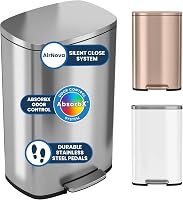
The iTouchless AbsorbX filters use activated carbon and are designed for iTouchless cans with a filter compartment. The brand says each filter can last up to 3 months.
The EKO odor filters use activated charcoal and fit EKO cans with deodorizer compartments. Each filter is intended to provide up to 2 months of odor absorption.
Check your can's instructions and compartment shape before choosing a replacement. A filter that doesn't fit securely may not sit where the can is designed to hold it.
Should you use a stick-on deodorizer or an odor-control can?
A stick-on deodorizer suits a bin without a filter compartment, while a can with built-in odor control may suit frequent use. Choose based on the bin you already have and whether you want added scent.
Febreze Trash Odor Fighter uses an adhesive holder that sticks inside a trash can and takes a refill. It works with scented or regular trash bags, and the brand says it provides continuous scent for up to 45 days.
The Glad 20 Gal Stainless Step Can has odor protection built into its lid and frame, along with a soft-close lid and rear bag storage.
A larger can may hold more waste before a bag change, but that can also mean food waste sits longer. Compare capacity and opening style in the kitchen trash can guide, and choose a size that fits your household's routine.
How can you prevent trash can smell from coming back?
Keep wet waste contained, clean spills quickly, and take out odor-prone trash before it sits too long. These habits address the source instead of relying only on fragrance.
- Drain excess liquid from food packaging before throwing it away.
- Wrap strong-smelling scraps or place them in a small sealed bag.
- Replace a leaking liner as soon as you notice it.
- Wipe the lid and rim when food splashes on them.
- Keep the can dry after washing.
Choose bag size carefully so the liner doesn't slip or leave waste exposed. Our guide to what size trash bags fit a kitchen trash can can help match the bag to your bin.
If you want a can with odor-control features, compare options in the guide to kitchen trash cans for odor control. A filter compartment, built-in odor protection, or stick-on holder can support a cleaning routine, but none removes residue on its own.
What should you do if the smell keeps returning?
Repeat the full cleaning and check for leaks, hidden residue, or a damp liner area. If the odor comes back quickly, take out food waste more often and inspect the can's lid and removable parts.
A damaged liner or residue trapped under a bag ring can keep the smell going. Check the can's instructions before removing parts, and replace any filter with one made for that compartment.
Pick the fix that matches the cause: clean a dirty bin, shorten the time wet scraps stay inside, or replace a compatible filter. If you are choosing a new can, start with the kitchen trash can size guide and compare odor-control features after measuring your space.
Frequently asked questions
Why does my kitchen trash can smell even when it is empty?
Odor can linger in residue on the bottom, lid, rim, or liner area after the bag is gone. Wash those surfaces with soapy water, rinse if needed, and dry the can fully before replacing the liner.
Check the lid compartment too if your can has an odor filter.
Does baking soda get rid of trash can smell?
Baking soda may help absorb some odors, but it won't remove food residue or clean a dirty bin. Empty the can, wash and dry it first, then use baking soda only if it suits your cleaning routine and the can's care instructions.
How do I stop trash from smelling between bag changes?
Wrap or seal wet food scraps before putting them in the bin, keep the lid closed, and take out the bag when it contains odor-prone waste. Wipe spills promptly, and consider a compatible charcoal filter or a stick-on deodorizer if smells persist.
Can I use bleach to clean a smelly trash can?
Check the trash can's care instructions before using bleach or any strong cleaner. Never mix bleach with ammonia, vinegar, or other cleaners, and ventilate the area.
For routine residue, dish soap and water are usually a straightforward place to start.