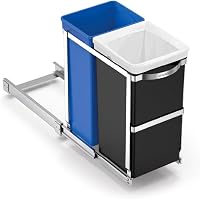
How to Add a Pull-Out Trash Can to a Kitchen Cabinet
To make a pull-out trash can, measure the cabinet opening and choose a frame or kit that fits, then mount it to the cabinet floor as directed. Check the door, hinges, and plumbing for clearance before you install.
On this page (8 sections)
- What do you need to make a pull-out trash can?
- How do you measure a cabinet for a pull-out kit?
- How do you install a pull-out trash can frame?
- Which pull-out trash can kit fits your cabinet?
- How do you attach the cabinet door?
- How do you choose bins for a frame-only system?
- What should you check after installation?
- Is a pull-out trash can kit right for your kitchen?
To make a pull-out trash can, measure the cabinet opening and choose a frame or kit that fits, then mount it to the cabinet floor as directed. Check the door, hinges, and plumbing for clearance before you install.
A pull-out system keeps waste tucked inside a cabinet and brings the bin to you when needed. The main decision is whether to get a frame with cans or a sliding frame that holds cans you choose.
What do you need to make a pull-out trash can?
You need a cabinet with enough clear space, a compatible sliding frame, and a bin or bins that fit. Some systems include containers and mounting hardware; others are frames only.
Before buying, decide whether you want one bin or separate trash and recycling containers. A double system can help sort waste, but it needs enough cabinet width and room to pull both bins out.
A frame-only option gives you more choice over the containers. The best under-sink and pull-out trash cans guide can help compare complete cans and sliding systems.
How do you measure a cabinet for a pull-out kit?
Measure the clear opening width, depth, and height, then check the inside space around hinges, plumbing, and the door. Compare both the frame's overall dimensions and the minimum cabinet opening it requires.
Measure with the cabinet door open. A cabinet's outside width doesn't tell you how much room the frame has once you account for the door, hinge arms, pipes, or a garbage disposal.
For example, the Rev-A-Shelf Soft-Close Double Pullout needs an opening at least 14.5 in wide, 22.13 in deep, and 20.25 in high. Its frame measures 14.37 x 22.09 x 19.01 in.
Compare the measurements with what size trash can fits inside a kitchen cabinet. That guide covers cabinet fit, while a 13-gallon trash can's dimensions can help if you're choosing a separate bin.
How do you account for hinges and plumbing?
Check the full path the frame and bins will travel, not just the empty cabinet floor. Make sure the door can open far enough and that the sliding assembly won't hit hinges, pipes, a disposal, or stored supplies.
If the system mounts to the door, confirm the door is thick enough for the included or specified screws. For example, Insputer cautions that its door-mount screws are 12 mm long and advises checking door thickness first.
How do you install a pull-out trash can frame?
Install the frame according to its instructions, using the supplied hardware and mounting points. Many floor-mounted systems attach to the cabinet base, then use brackets to connect the frame to the door.
- Empty the cabinet and clean the mounting area.
- Mark the frame position, checking that it clears the door and cabinet sides.
- Attach the frame to the cabinet floor with the specified hardware.
- Fit the slides and bins as directed.
- If the system includes door-mount brackets, attach and adjust them according to the instructions.
- Pull the frame out and push it in several times before loading it.
Don't guess where to drill. Check for hidden plumbing, wiring, and cabinet supports before making holes, and use the fasteners and tools specified by the system's instructions.
Which pull-out trash can kit fits your cabinet?
The right kit depends on whether you want included bins, a door-mounted front, or flexibility to choose containers. Compare the system's minimum opening size with your measurements before choosing.
Who should choose the Rev-A-Shelf Soft-Close Double Pullout?
Choose this system if your cabinet meets its opening requirements and you want two included bins with soft-close, full-extension slides. The pair of 35 qt containers can separate kitchen waste from recycling.
The frame secures to the cabinet floor, and adjustable door-mount brackets attach the cabinet door. Check the larger minimum opening requirement and hinge clearance before deciding.
Who should choose the Rev-A-Shelf 35 Qt Double Pullout?
Choose this option if you want two included 35 qt bins and full-extension ball-bearing slides. Its minimum opening is 14.5 in wide, 21.75 in deep, and 19.25 in high.
The frame mounts to the cabinet floor. Attaching it to the door requires 5WB-DMKIT brackets, which are sold separately, so check whether you want the bins to move with the door.
Who should choose the Insputer Dual Pull-Out Frame?
Choose the Insputer frame if you want a double sliding holder and plan to supply your own cans. It is described as holding two containers in the 28 to 40 qt range, but you still need to check your cabinet and bin dimensions.
The frame is listed with a 14.6 in width, 22.04 in depth, and 12 in height, with a minimum cabinet size of 15 to 18 in wide and 24 in deep. Allow extra height for the containers and check the 12 mm door-screw length against your cabinet door.
Who should choose the LYNK Pull-Out Trash Can Frame?
Choose the LYNK frame if you want to select your own container and use the slide-out rack in a kitchen cabinet. The bin is not included, and the frame's described dimensions are 14-1/8 in wide, 20-1/4 in long, and 11-1/2 in high.
LYNK says its Easy Mount design uses an alignment guide and requires no measuring. Its description calls for a minimum 15 in cabinet opening, so still check depth, height, and clearance for your chosen bin.
How do you attach the cabinet door?
Attach the door only if the frame supports a door-mount connection. Some systems use adjustable brackets, while others need a separate bracket kit or keep the cabinet door independent.
Follow the system's sequence for attaching the door. Test the movement before loading the bins, and adjust the brackets if the door rubs, sits unevenly, or prevents the frame from sliding fully.
If you'd rather leave the door in place and pull the bin out separately, compare the setup with a freestanding trash can. A freestanding can may suit a cabinet that can't accommodate a sliding frame.
How do you choose bins for a frame-only system?
Choose containers that fit inside the frame with enough clearance to slide and lift out. Check the rim, handles, and lid as well as the bin's widest points.
A container that matches the frame's stated capacity may still be too wide or too tall. Measure the actual bin and compare those dimensions with the frame and the cabinet's usable space.
If you plan to sort recycling, make sure each bin is easy to identify and remove. For other ways to separate waste, see kitchen trash cans with recycling bins.
What should you check after installation?
Test the empty frame through its full travel before adding waste. Confirm the door opens, the slides move freely, and each bin can be lifted out without catching on the cabinet.
Add a small amount of weight and test again. Tighten or adjust the system only as its instructions allow, and stop if the frame shifts or the cabinet floor flexes.
Keep the installation area clear of cleaning products and other items that could slide into the mechanism. Emptying and cleaning the bins regularly also helps keep the cabinet fresh; see how to get rid of trash can smell.
Is a pull-out trash can kit right for your kitchen?
Pick a complete double system if you want included bins and your cabinet meets its opening measurements. Pick a frame-only option if choosing your own containers matters more and you can match them to the frame.
Measure the full cabinet path before buying, especially around hinges, plumbing, and the door. If the fit works and you want to hide both waste and recycling, compare the best kitchen trash cans with recycling for other setups.
Frequently asked questions
Can I turn a regular cabinet into a pull-out trash cabinet?
Yes, if the cabinet has enough clear width, depth, and height for the frame and bins. Measure the opening, account for hinges and plumbing, and choose a kit with installation steps that suit your cabinet.
Some frames include bins, while others require you to supply containers that fit.
How do I measure for a pull-out trash can?
Measure the cabinet opening's clear width, depth, and height, then check the space inside past the door and hinges. Compare those measurements with the frame's minimum opening and overall size.
Leave room for the bins to slide without hitting pipes, a disposal, or stored items.
Do pull-out trash can kits include cans?
Some kits include bins, while frame-only options need containers bought separately. Check what comes with the system and match each bin's width, depth, and height to the frame.
For a double setup, confirm that both containers fit and that you can lift them out for emptying.
Can a pull-out trash can fit under a sink?
It can fit under a sink if the frame and bins clear the plumbing, disposal, and cabinet floor. Measure around pipes and other obstructions, including the space needed to pull the frame out.
A freestanding can may be easier if plumbing leaves too little room for a sliding system.